
Festivals of Arunachal Pradesh
Arunachal Pradesh, often referred to as the “Land of the Rising Sun”, is nestled in the far north-eastern frontier of India and stands as a vibrant mosaic of ethnic diversity. Home to 26 principal tribes and over 100 distinct sub-tribes, the state is a living repository of age-old traditions, indigenous languages, and deeply rooted spiritual worldviews. Each community boasts its own set of rituals, oral histories, and cultural expressions. The festivals celebrated across Arunachal Pradesh, predominantly linked to agricultural cycles or spiritual beliefs, serve not merely as occasions of joy and communal gathering but as windows into the soul of tribal identity, reflecting their worldview, ancestral reverence, ecological wisdom, and communal ethos.
For candidates gearing up for APPSC, APSC, APSSB, UPSC, and other competitive examinations, a solid grasp of the festivals of Arunachal Pradesh is indispensable, particularly for the General Knowledge, Art and Culture, and Indian Society segments. This in-depth resource not only explores the most prominent festivals and their cultural relevance but also establishes clear associations with the respective tribes, geographical regions, and ancestral traditions, aiding both conceptual clarity and long-term retention.
So, let’s embark on an immersive journey through the vibrant festive landscape of Arunachal Pradesh.
- Losar Festival – Monpa Tribe:
- When: February or March (as per Tibetan lunar calendar)
- Where: West Kameng and Tawang districts
- Tribe: Monpa
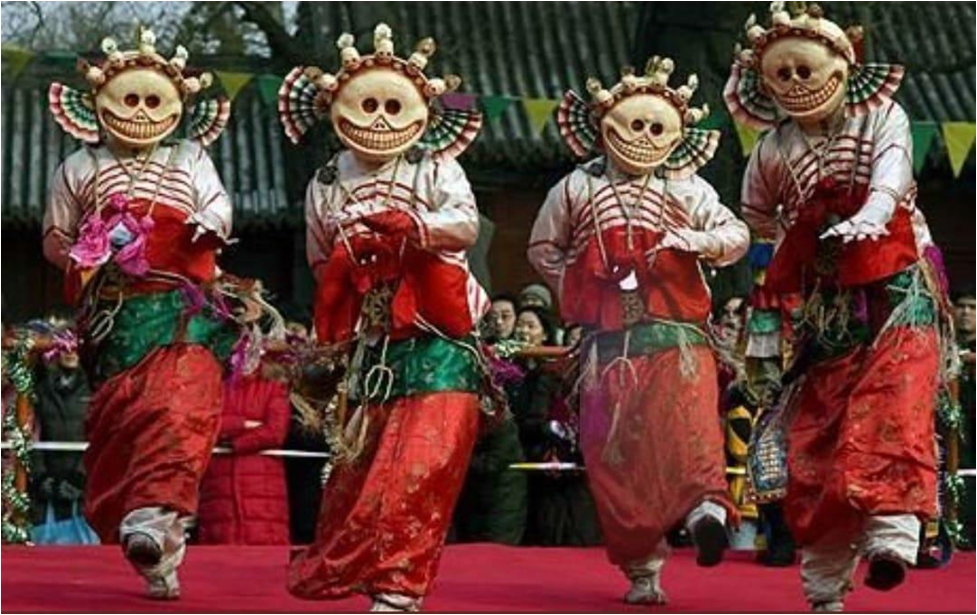
Losar, celebrated as the Tibetan New Year, is one of the most significant Buddhist festivals observed in Arunachal Pradesh, especially in regions inhabited by the Monpa and Sherdukpen tribes. Deeply rooted in the ancient Bon religious traditions that predate Buddhism, Losar signifies both a spiritual renewal and the onset of spring, blending ritual purification, cultural expression, and communal celebration.
Key Highlights:
- Households and monasteries undergo thorough cleaning and ornate decoration to drive away inauspicious energies and welcome positive vibes.
- Butter lamps (symbolising enlightenment and peace) are lit across prayer halls and homes.
- Monastic rituals include chanting of sacred texts, incense burning, and symbolic offerings to deities, aimed at dispelling evil spirits and ushering in harmony.
- People don their traditional ceremonial attire and joyfully greet each other with “Tashi Delek”, meaning “good luck” or “auspicious greetings.”
- Families prepare and share traditional delicacies such as:
- Khapse – crispy fried pastries shaped in symbolic patterns.
- Thukpa – a hearty noodle soup rich in vegetables and meat.
Cultural Attractions:
- The Aji Lhamu dance, a vibrant theatrical folk performance, is enacted to portray Buddhist legends and moral tales.
- Masked dances, prayer flag hoisting, and circle processions amplify the festive spirit in monastic and community settings.
Deeper Significance:
- Losar stands for more than just a change in the lunar calendar. It represents:
- The victory of righteousness over malevolent forces.
- The cleansing of past negativity and the invocation of blessings for the year ahead.
- The strengthening of communal ties, cultural pride, and religious devotion.
- Solung Festival – Adi Tribe:
- When: First week of September
- Where: East and Upper Siang Districts
- Tribe: Adi
Solung Festival is a Tribute to Agriculture, Ancestry, and Abundance.
Celebrated by the Adi tribe of Arunachal Pradesh, Solung is a deeply symbolic agrarian festival that reflects the tribe’s profound connection with nature, fertility, and ancestral spirits. Held mainly in the Siang region, it marks the prayerful beginning of the agricultural season and seeks divine blessings for a rich harvest, livestock prosperity, and communal well-being.
Rooted in animist and indigenous belief systems, Solung encompasses rituals, oral traditions, and vibrant folk performances, making it both a spiritual and cultural cornerstone of Adi society.
Ritual Segments of Solung (Observed over five days or more)
- Ardo-Bado
- The ceremonial sacrifice of a mithun (Bos frontalis) marks the commencement of the festival.
- It signifies an offering to deities and spirits, especially to ensure fertility of fields, protection of crops, and village harmony.
- Binnayat
- Special invocations and offerings are made to Kin Nane, the revered goddess of crops and harvests.
- Ritual chants and local brews are offered, reflecting gratitude and reverence toward nature’s nurturing forces.
- Ekop (or Etor)
- Performed to ward off malevolent spirits, crop diseases, and pests.
- It is believed to purify the environment and fortify fields and granaries for the upcoming agricultural cycle.
Cultural Highlight: The Ponung Dance
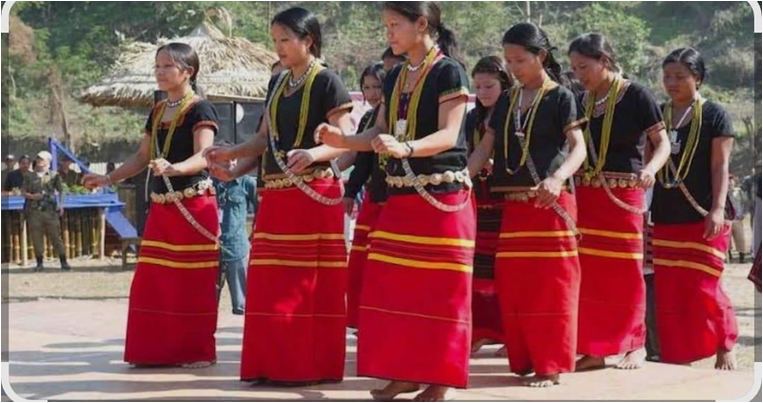
- Performed exclusively by Adi women, the Ponung is a rhythmic group dance where participants form circular formations, clad in traditional attire.
- Dancers sing narrative folk songs that recount tribal myths, heroic legends, and ancestral tales, often accompanied by a traditional instrument called Yoksha.
- The performance not only entertains but also preserves oral history and reinforces cultural identity.
Deeper Significance
- Solung is not just a celebration—it is an agrarian ritual calendar that aligns agricultural activity with spiritual guidance.
- It promotes communal solidarity, environmental reverence, and the intergenerational transmission of folklore, customs, and values.
- Dree Festival – Apatani Tribe:
- When: July 5th
- Where: Ziro Valley, Lower Subansiri District
- Tribe: Apatani
Dree Festival: A Symbol of Agrarian Belief and Tribal Unity in Arunachal Pradesh.
The Dree Festival is one of the most important agricultural and religious festivals of the Apatani tribe, who inhabit the lush Ziro Valley in Arunachal Pradesh. Celebrated annually in early July, Dree is a unique blend of spiritual invocation, agricultural tradition, and community bonding, making it a crucial cultural topic for competitive exam preparation under Art & Culture, Indian Society, and Northeast tribal heritage.
Cultural Essence and Purpose
Dree is observed to invoke the blessings of key deities-Tamu, Metii, Danyi, and Harinyang-to ensure a bountiful harvest, healthy crops, and the well-being of the Apatani people. The festival reflects a harmonious relationship between humans, nature, and divine forces, which is a common thread in tribal belief systems.
Ritual Practices and Offerings
The rituals performed during Dree are symbolic of both protection and purification:
- Animal and fowl sacrifices are offered to the deities to ward off diseases, pests, and crop failures.
- Cucumber is distributed among participants as a sacred offering, representing fertility and good health.
- Apong, the traditional rice beer of the Apatanis, is shared during the festival to foster unity and brotherhood.
These rituals are typically led by village elders and priests, reinforcing the role of oral tradition and elder authority in tribal societies.
Folk Arts and Community Events
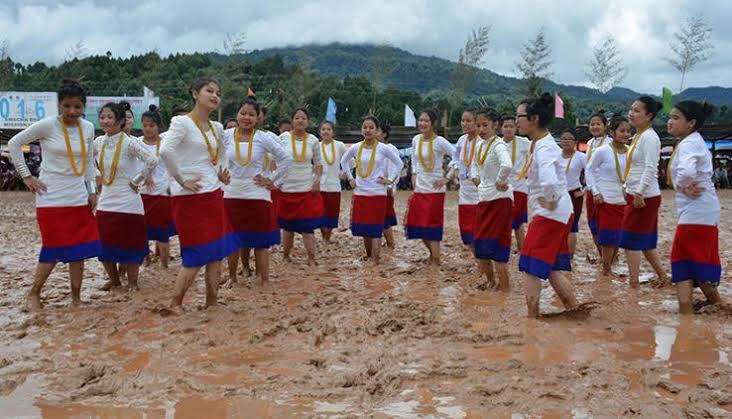
The Dree celebration is incomplete without its vibrant folk music, traditional dances, and indigenous games. Youths and elders alike participate in group dances, cultural performances, and athletic competitions that promote intergenerational bonding and communal identity.
- Traditional Apatani attire is showcased with pride.
- Community feasts are held to strengthen social ties and mark collective prosperity.
- Educational and cultural exhibitions are often organized in modern Dree celebrations to spread awareness about tribal customs.
- Mopin Festival , Galo Tribe:
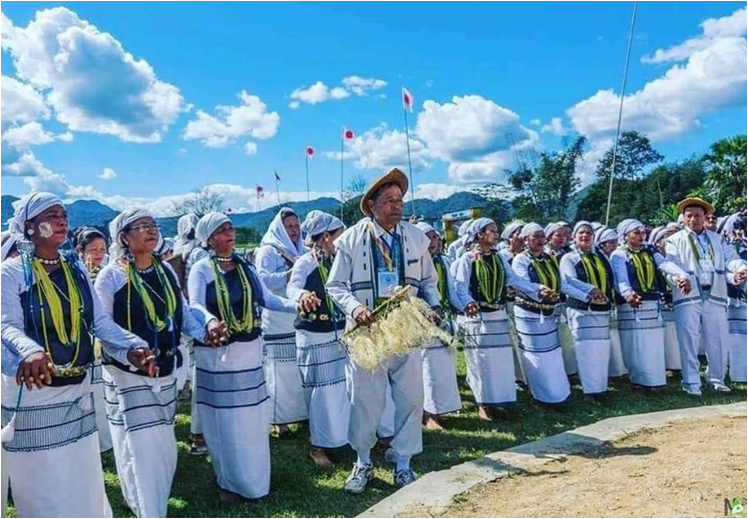
- When: April (usually from 5th April onwards)
- Where: Along (Aalo), West Siang District
- Tribe: Galo
The Mopin festival is a Celebration of Prosperity, Purity, and Community among the Galo Tribe.
Mopin is a vibrant and deeply symbolic harvest festival celebrated by the Galo tribe of Arunachal Pradesh. Primarily observed to ward off evil forces and invite happiness, health, and abundant wealth, this festival is centered around the worship of Mopin Ane, the benevolent Goddess of Prosperity.
Significance and Rituals
Mopin is more than just a festival—it is a spiritual tradition and cultural cornerstone that reflects the worldview and collective aspirations of the Galos. Through the ceremonial worship of Mopin Ane, the community seeks divine blessings for a successful harvest and a harmonious life free from misfortunes.
One of the most iconic rituals is the smearing of rice powder (etey) on each other’s faces, symbolizing purity, goodwill, and communal bonding. This act reinforces the spirit of unity and mutual respect among the people.
Cultural Expressions
The festival is known for its graceful Popir dance, performed exclusively by women adorned in elegant white traditional garments and intricate silver ornaments. The synchronized movements of the dance reflect both aesthetic refinement and spiritual devotion.
The celebrations also feature:
- Traditional feasts comprising rice cakes, pork dishes, and locally brewed rice beer (apong), served communally as a token of hospitality and abundance.
- Chanting of hymns and folk songs, which narrate ancestral stories and invoke blessings from the deities.
Importance in Galo Society
Mopin is essential to understanding the spiritual beliefs, agricultural lifestyle, and community values of the Galo tribe. It strengthens intergenerational ties, as elders pass on rituals and oral traditions to the youth. Moreover, it provides a platform for cultural preservation and identity expression in the rapidly modernising landscape of Northeast India.
- Chalo-Loku Festival – Nocte Tribe:
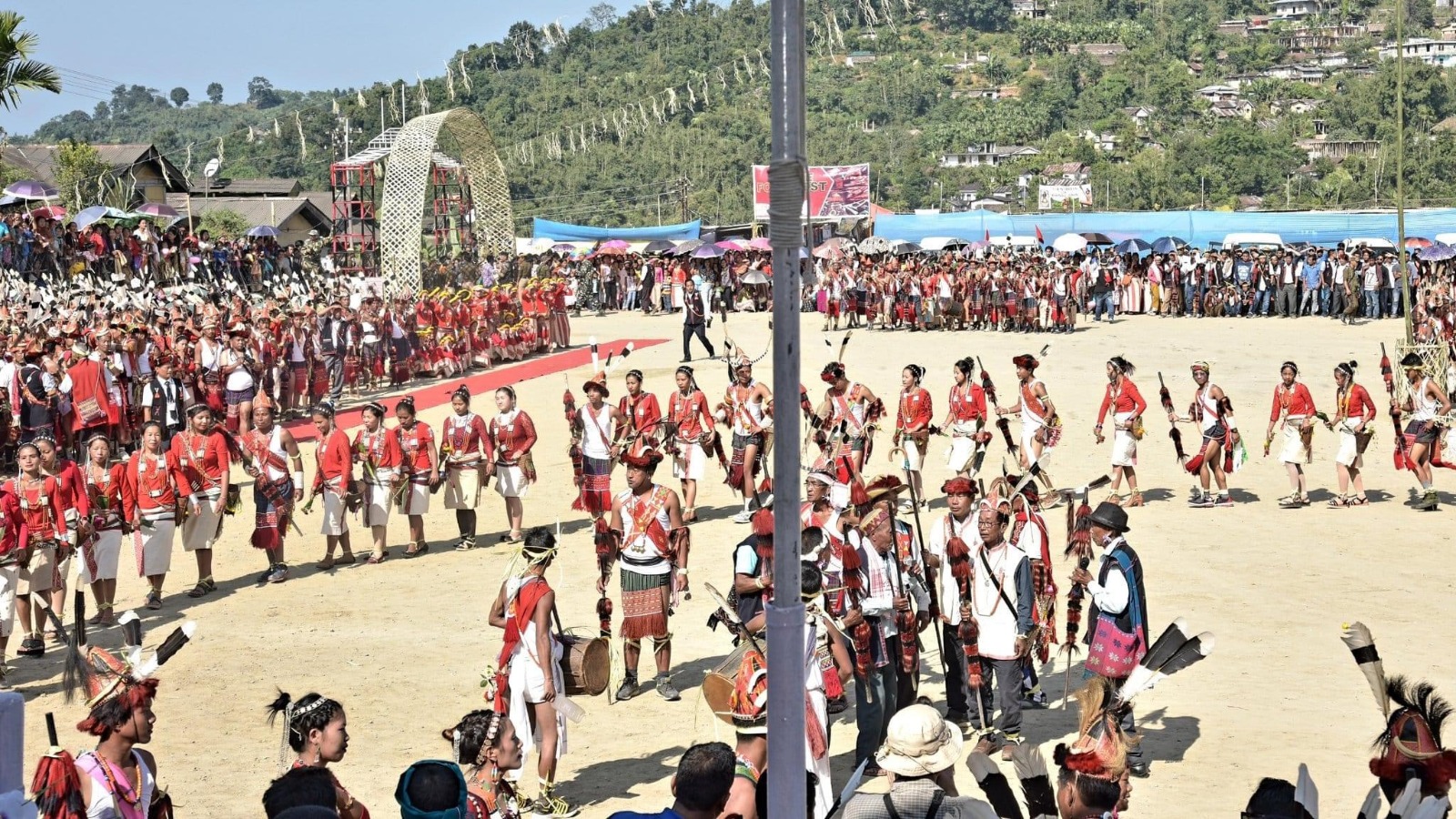
- When: October–November
- Where: Tirap District
- Tribe: Nocte
The Chalo Loku Festival is one of the most significant and vibrant traditional festivals celebrated by the Nocte tribe of Tirap district in Arunachal Pradesh. The term ‘Loku’ translates to ‘festival’, while ‘Chalo’ means ‘harvest’—together denoting a post-harvest festival that expresses gratitude for agricultural abundance and marks the transition into a new agricultural cycle.
This annual event, typically observed in October or November, is not only a time of thanksgiving and festivity but also a period of social renewal and cultural assertion. It offers a fascinating glimpse into the Nocte tribe’s indigenous systems of governance, community bonding, spiritual practices, and youth initiation.
Key Rituals and Festival Highlights
Chamkat Ritual – Rite of Passage for Adolescent Boys
One of the central features of Chalo Loku is the Chamkat, an initiation ceremony where boys who have reached adolescence are formally admitted into the Paang, the traditional village council or decision-making body. This marks their transition into adulthood, granting them responsibilities in tribal governance and social matters. It reinforces a structured tribal hierarchy and nurtures leadership and accountability among the youth.
War Dances and Folk Performances
Throughout the festival, traditional war dances are performed in full regalia, reflecting the martial heritage and bravery of the Nocte people. These performances, accompanied by tribal music and chanting, convey historical stories and collective pride. Folk dances and community songs also add to the celebratory atmosphere, showcasing the tribe’s rich oral traditions.
Sacrifices and Spiritual Offerings
To honor their ancestral spirits and deities of agriculture, the Nocte perform ritual sacrifices—typically of animals—believed to ward off evil, purify the land, and bless the community with health and prosperity. These acts are deeply rooted in their animist faith and ecological consciousness.
Feasting and Sharing of Rice Beer (Yu)
No festival is complete without a community feast. Villagers gather to share locally brewed rice beer, pork dishes, smoked meat, and seasonal delicacies, symbolizing unity, gratitude, and abundance. These communal meals also reinforce interpersonal bonds and tribal solidarity.
Cultural and Social Significance
Chalo Loku is more than a festival—it’s a socio-cultural institution that plays a vital role in tribal identity preservation, youth integration, and intergenerational knowledge transfer. It strengthens traditional systems of self-governance, while simultaneously providing a platform for cultural expression and spiritual reflection.
In the broader context of Arunachal Pradesh’s diverse tribal traditions, Chalo Loku stands out for its unique blend of political rites, agrarian celebration, and cultural resilience.
- Nyokum Yullo, Nyishi Tribe:
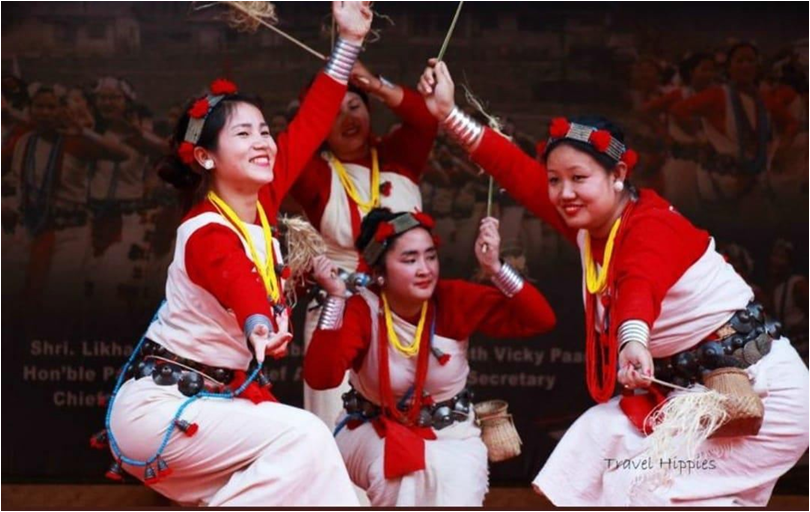
Nyokim Yullo festival
- When: 26th February
- Where: Papum Pare and East Kameng Districts
- Tribe: Nyishi
Nyokum Yullo is a vibrant and spiritually significant agricultural festival celebrated by the Nyangmoh (or Nyishi) tribe of Arunachal Pradesh. The word “Nyokum” comes from “Nyok” (land) and “Kum” (collective harmony or togetherness), symbolizing the people’s prayer for peace, fertility of the land, social unity, and ecological balance.
Cultural and Spiritual Highlights:
- Worship of Nyokum Yullo, the supreme earth deity, believed to govern nature, prosperity, and human well-being. The festival invokes her blessings to ensure good harvests, protection from natural calamities, and communal harmony.
- A Nyubh or tribal priest leads the rituals, chanting sacred hymns and performing ceremonial rites with offerings such as animal sacrifices, millet beer, and rice.
- The celebrations include traditional group dances, rhythmic chanting, and folk performances, often held in open fields decorated with bamboo arches and sacred posts (yugyang).
- The festival is marked by inclusiveness and community participation, where men, women, and children join in the festive spirit wearing traditional attire.
Significance of Nyokum Yullo
Nyokum Yullo represents the deep connection between indigenous communities and their natural environment. It is not only a celebration of agrarian life but also a reaffirmation of ancestral wisdom, animist beliefs, and social unity among the Nyishi people.
Exam Tip: Connect this festival with sustainable living and harmony with nature.
- Myoko Festival – Apatani Tribe:
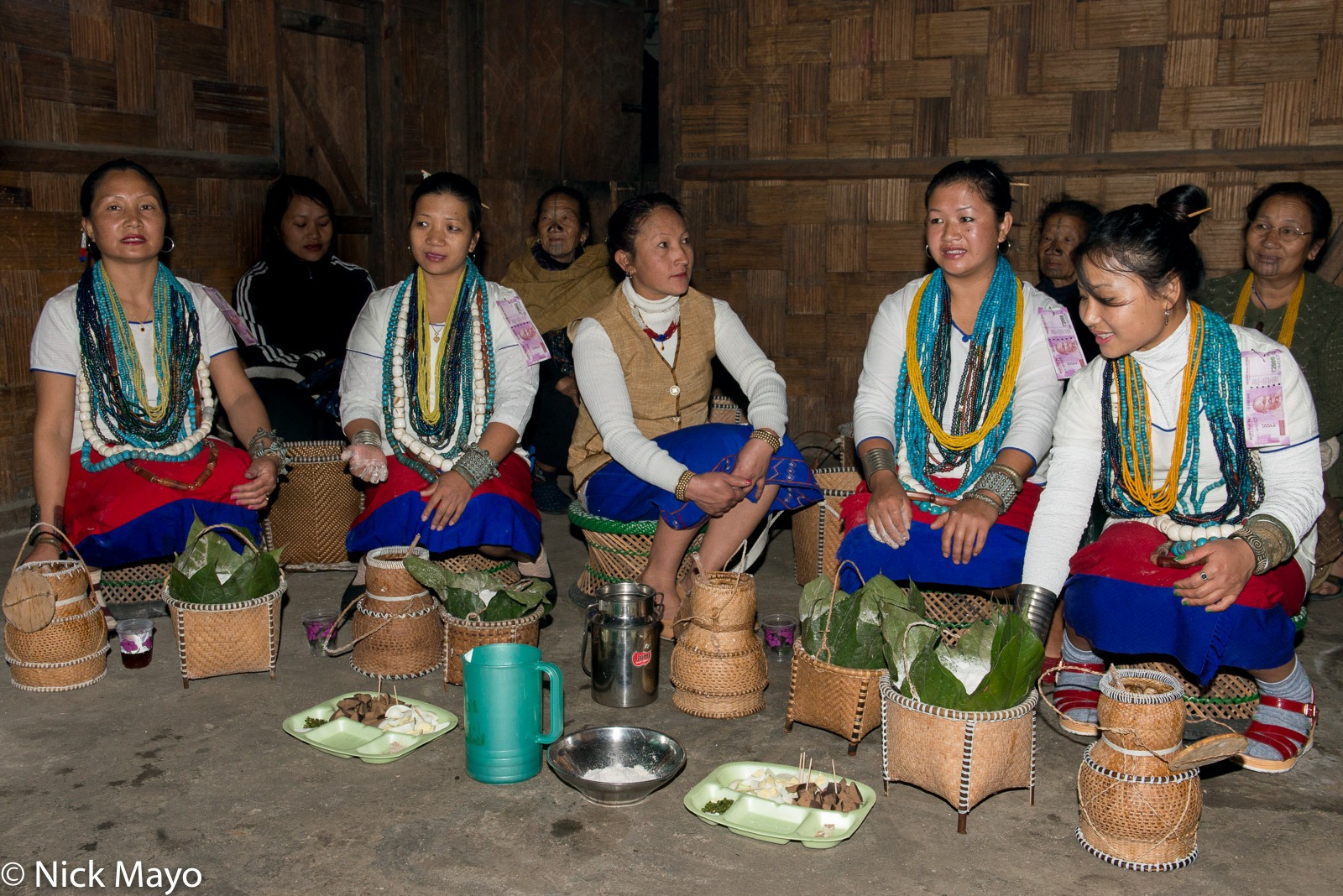
- When: March–April
- Where: Ziro Valley
Myoko is an ancient tribal festival of the Apatani community in Arunachal Pradesh, celebrated over nearly a month with deep spiritual and social significance. The festival emphasizes ritual purification, fertility, prosperity, and the strengthening of inter-village bonds through reciprocal hospitality and ceremonial exchange.
Key Rituals and Features:
- Sacrificial rites involving chickens, pigs, and other domestic animals, offered to seek blessings for abundance, health, and protection.
- Construction of sacred bamboo altars (yugyang) in village courtyards, where the rituals are performed.
- Fire purification ceremonies, traditional healing practices, and the chanting of mantras by priest shamans (Shamans or Nyibus).
- Exchange of visits between villages, cementing social alliances and cultural solidarity.
Cultural Significance
Myoko is more than a festival—it is a living tradition of community care, spiritual renewal, and social diplomacy. It showcases the Apatani tribe’s eco-spiritual worldview, ancestral customs, and communal values passed down across generations.
- Sangken Festival – Khamti and Singpho Tribes:
- When: 14–16 April
- Where: Namsai, Lohit District
- Tribes: Theravada Buddhist communities
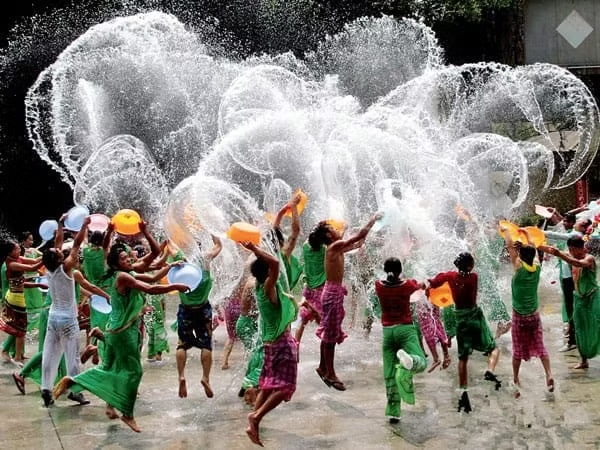
Sangken Festival is a Sacred Water Festival Welcoming the Buddhist New Year. Sangken is a vibrant Buddhist water festival celebrated by the Tai Khamti and other Theravada Buddhist communities in Arunachal Pradesh and parts of Northeast India. It marks the Buddhist New Year and symbolizes purification, renewal, and goodwill.
Celebration Highlights:
- Ceremonial bathing of Buddha idols with scented or holy water, signifying spiritual cleansing and the washing away of sins.
- Sprinkling water on friends, elders, and family members as a gesture of blessing, respect, and unity.
- Traditional folk dances, cultural performances, and lavish community feastsshowcase the region’s Buddhist heritage.
- The festival mirrors the spirit of Songkran in Thailand and Thingyan in Myanmar, highlighting transnational Buddhist traditions across Southeast Asia.
Cultural Significance
Sangken goes beyond celebration—it reflects the values of compassion, respect, and purification in the Buddhist way of life. It strengthens community bonds and offers a moment of reflection, gratitude, and new beginnings.
- Si-Donyi Festival – Tagin Tribe:
- When: January 4–6
- Where: Upper Subansiri District
- Tribe: Tagin
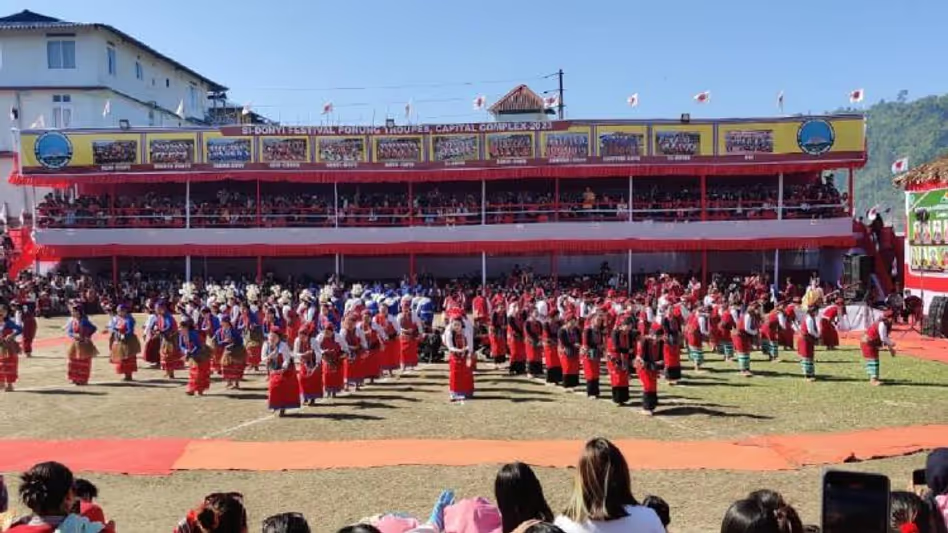
Si-Donyi Festival isa Sacred Celebration of Nature and Ancestral Belief by the Tagin Tribe. The Si-Donyi Festival is an important religious and cultural event celebrated by the Tagin tribe of Upper Subansiri district, Arunachal Pradesh. Deeply rooted in indigenous animist traditions, the festival is held to honour Si (the Earth goddess) and Donyi (the Sun god), two supreme deities believed to govern life, fertility, and cosmic balance.
Celebrated annually in January, Si-Donyi reflects the Tagins’ deep reverence for nature and their belief in maintaining harmony between humans and the environment. The rituals are aimed at seeking divine blessings for prosperity, health, good harvests, and protection from natural and supernatural forces.
Key Rituals and Cultural Practices:
- Construction of bamboo altars and ceremonial platforms, where offerings such as animal sacrifices, rice, and millet beer are made to the deities.
- Rhythmic war dances performed by men in traditional attire, accompanied by chants and drum beats, symbolizing valor, community unity, and ancestral pride.
- Nyibus (tribal priests) conduct public prayers, chants, and blessing ceremonies to invoke peace and prosperity for the entire community.
- Feasts, folklore, and inter-village gatherings create an atmosphere of joy, renewal, and cultural bonding.
Why Si-Donyi Matters
Si-Donyi is not just a festival—it is a spiritual reaffirmation of the Tagins’ symbiotic relationship with nature. It preserves ancestral rituals, tribal customs, and indigenous ecological wisdom at a time when modernization threatens such traditions. The celebration also plays a vital role in educating younger generations about tribal identity, community roles, and environmental stewardship.
- Tamla-Du Festival – Mishmi Tribe
- When: February 15–16
- Where: Lohit and Dibang Valley
- Tribe: Mishmi
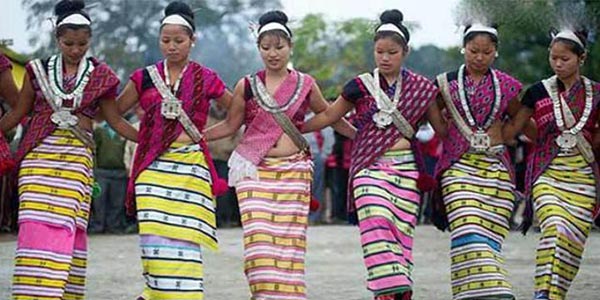
Tamla-Du is a sacred nature-worshipping festival celebrated with great reverence by the Mishmi tribe of Arunachal Pradesh. The festival is observed to honour the spirits of nature and forefathers, and to seek divine protection, communal well-being, and ecological balance.
Rooted in indigenous belief systems, Tamla-Du symbolises the tribe’s spiritual connection with natural elements such as rivers, forests, mountains, and ancestral spirits. It is a prayer for harmony between humans and the environment, especially before the onset of the agricultural season.
Main Rituals and Celebratory Features:
- The creation of Tamla poles—sacred wooden structures made from bamboo and decorated with leaves and natural motifs. These poles serve as symbolic offerings to nature gods and ancestral spirits.
- Animal sacrifices, including pigs and chickens, are made to appease deities and ward off misfortune.
- The festival includes communal feasts, traditional dances, and music, encouraging social unity and cultural expression.
- Elders and tribal priests lead ritual prayers and blessings, asking for peace, fertility, and protection for the village.
Cultural Significance
Tamla-Du is more than a celebration—it is a reaffirmation of the Mishmi tribe’s deep respect for nature, ancestors, and communal values. It helps preserve tribal rituals, folklore, and environmental ethics, while bringing the community together in collective gratitude and prayer.
- Ziro Festival of Music – Modern Cultural Festival:
- When: Last week of September
- Where: Ziro Valley
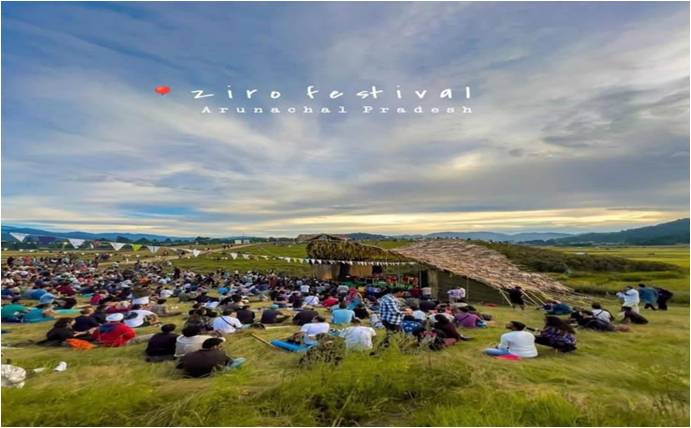
An independent music festival that blends modernity with tribal culture. Indie bands from across India and abroad participate.
Festival Attractions: – Eco-friendly camping, Tribal crafts and cuisine, Local artists and fusion performances.
- Pangsau Pass Winter Festival:
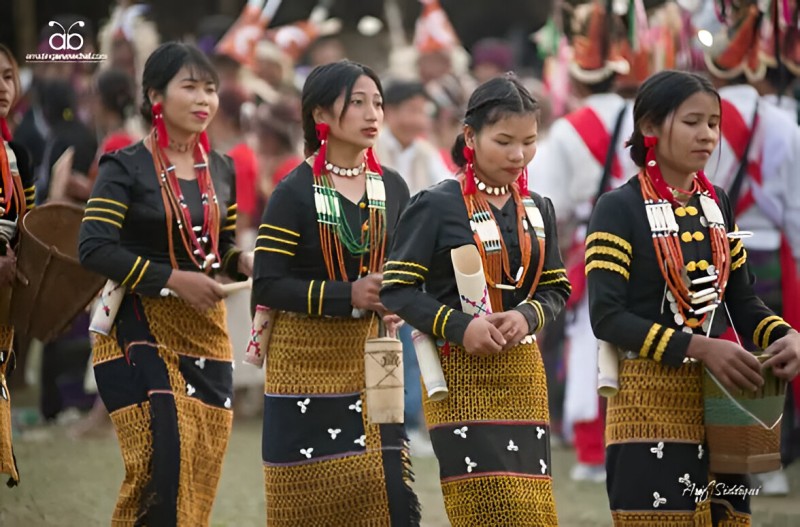
- When: January 20–22
- Where: Nampong, Changlang District
This border festival is an initiative to promote Indo-Myanmar cultural exchange.
Events Include: – Folk music and dance – Traditional sports – Exhibitions and ethnic food stalls.
- Siang River Festival:
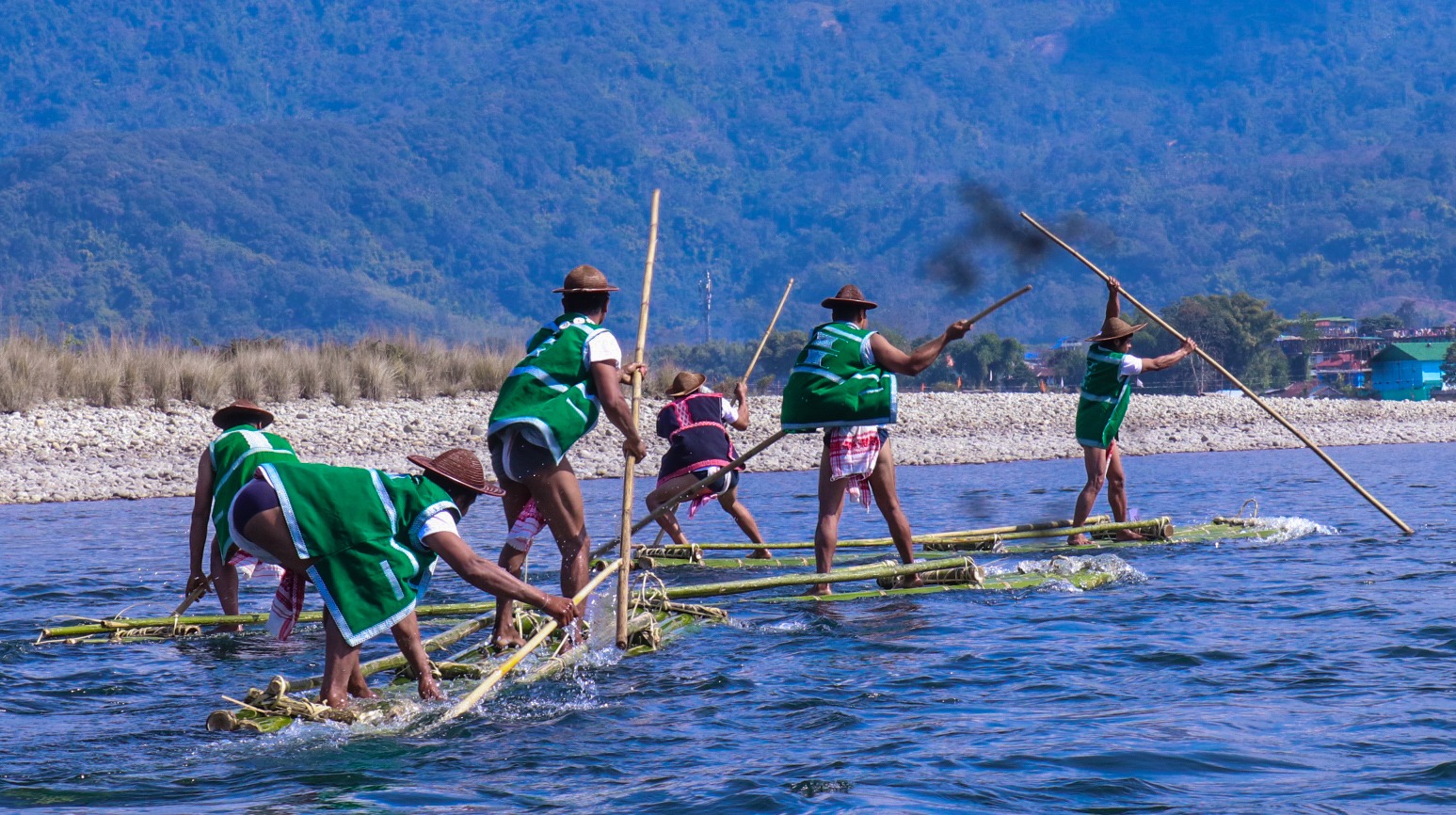
- When: December
- Where: Pasighat and Along
An adventurous and cultural festival showcasing the spirit of Arunachal’s riverine life.
Festival Activities: – River rafting, boat racing. – Cultural dance performances. – Traditional cuisine stalls and local handicrafts.
Summary for Competitive Exams:
Key Points for MCQs:
– Match each festival with its respective tribe and time of celebration.
– Know the purpose: harvest, purification, spiritual, or social.
– Identify rituals (animal sacrifice, dance forms, rice beer, fire rites). Link locations with districts for map-based questions.
Arunachal Pradesh’s festivals offer more than just celebration-they are living expressions of faith, sustainability, and cultural identity. Understanding these festivals not only helps you ace competitive exams like APPSC, APSC, and APSSB but also enriches your grasp of India’s rich tribal diversity.
Want quick MCQs or infographics on these festivals? NEPSC has your back, helping you learn smarter, not harder!
(Photographs are taken from different sites)